Natural Ways to Calm Hyper Vigilance and PTSD Symptoms
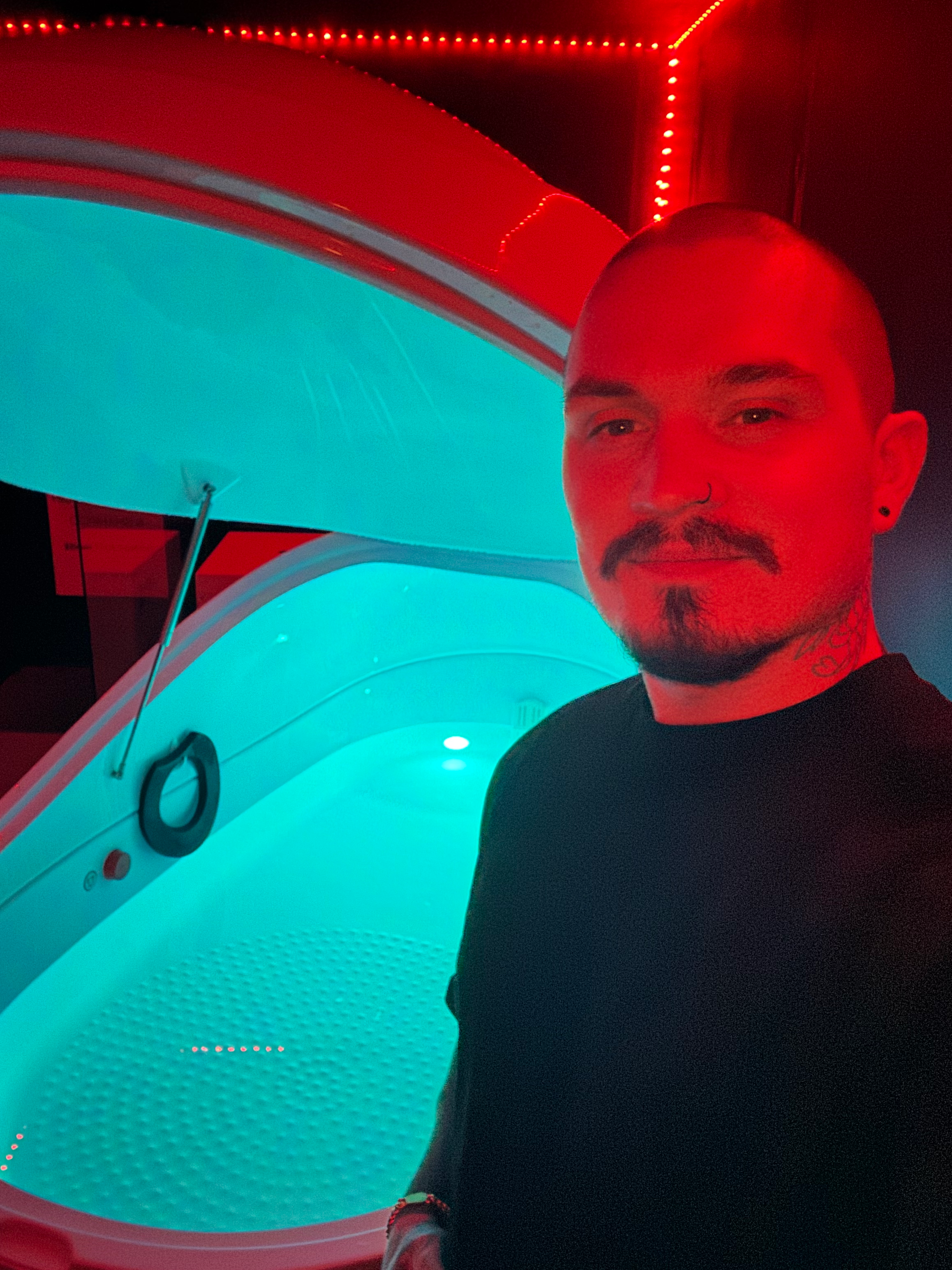
Why PTSD Keeps Your System Stuck (And How to Calm Hyper Vigilance)
The lasting physical impact of trauma alters how your body processes threats. When you are looking for ways to calm hyper vigilance, you are dealing with a survival response that has been locked in the "on" position.

Common Physical Symptoms People Miss
You might notice severe muscle tension, shallow sleep, digestive issues, or being easily startled. These ongoing physical signs happen because your body is working overtime to calm hyper vigilance on its own.
Why "Just Relax" Advice Doesn't Work
When your system is stuck in fight-or-flight, your brain cannot simply choose to settle down. To calm hypervigilance, you need an environment that provides a complete, physical break from sensory triggers.
Evidence-Based Ways to Support Your Nervous System
Clinical approaches look at removing constant external inputs to help safe, long-term regulation. Giving your brain a structured, predictable space to stand down is essential to naturally calm hyper vigilance.
Hyper vigilance isn't a mindset - it's a nervous system that's learned to stay braced, often long after the danger has passed. That's why relaxation techniques that work for ordinary stress don't always touch it. The body needs a genuinely different physical state to learn it's actually safe to stand down, not just an instruction to try.
There's a growing body of research into floatation therapy and PTSD, including studies with combat veterans, showing reduced anxiety and physical tension after floating. It's not a replacement for therapy or treatment - but for some people it's a useful addition, giving the nervous system a rare, controlled experience of total stillness and safety.
This one's worth a slightly different approach than our other posts: if you're managing PTSD, it's worth mentioning it to your therapist or GP before trying, and to us when you book - we'll talk you through exactly what to expect first, including keeping the door open or the light on if that helps.
Book your first float at Immerse Float Therapy in Bristol - new customers get their session for £39.
Is physical discomfort keeping your body locked in a fight-or-flight state? Discover


Comments